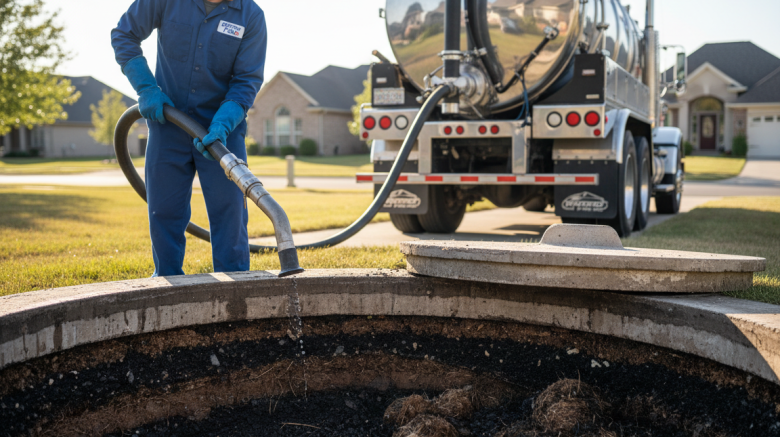
Are you aware that exceeding 25% of home septic breakdowns are caused by a failure in regular maintenance? This alarming reality underscores a widespread issue for countless residents.
Read here about septic pumping

Credible source about septic pumping

View resource about septic pumping
For those living with an backyard sewage unit, understanding the right maintenance timeline is not just a suggestion—it’s essential for protecting your money and your property.
A common mistake is to treat this essential system as something to bury and neglect. In reality, it’s a living part of your property that requires ongoing checks to operate efficiently.
Following a solid care schedule avoids messy overflows, foul smells, and costly emergency fixes. The following information will assist you in determining the perfect schedule for your specific household needs.
Experts like Septic Services of LA provide the expert advice and trustworthy care required to maintain system health for many years.
Key Takeaways
- Routine maintenance is critical to avoid malfunctions.
- The number of residents and daily water consumption dictate your perfect pumping timeline.
- Overlooking maintenance can cause very expensive repairs and health risks.
- Saving documentation of maintenance history is a crucial aspect of proper management.
- Professional companies offer the expertise needed for peak functionality.
- This post will explain the main factors and red flags you should understand.
Knowing How Your Septic Works
Beneath your property sits a sophisticated treatment facility that handles every drop of sewage biologically. The infrastructure is made up of a trio of elements that work in unison.
The initial part is the collection tank, which gathers all drainage first. Following that is the leach field, which spreads treated liquid into the soil. The dirt acts as the last purification step.
Once waste reaches the unit, gravity starts dividing the layers. Thick waste settle down, making a layer called sludge. Lighter materials like oils float upward, creating a floating mat.
The center zone is filled with clarified liquid known as wastewater. This partially treated fluid then flows out to the leach bed for further treatment.
Beneficial microbes in the system and the ground are crucial in decomposing solids. These tiny helpers help protect local water sources by destroying harmful components.
Knowing this cycle explains why periodic maintenance is mandatory. The team at Septic Services of LA can detail your specific system’s operation when they service your home.
Elements Influencing Cleaning Frequency
Your home’s unique characteristics play a major role in establishing the correct service timeline. How many individuals residing in the home impacts the speed of sludge buildup.
More people result in additional bathing, laundry loads, and toilet flushes. All these activities add to more rapid accumulation of your buried tank.
The size of your wastewater container is just as critical. Larger units can handle more waste and require less frequent attention than smaller ones for the same household size.
| Household Factor | Minimal Use Case | Heavy Use Case | Maintenance Frequency |
|---|---|---|---|
| Number of Residents | Small household | 5+ people | Infrequent vs. Frequent |
| Tank Capacity | Big system | Standard size | Rarely vs. Often |
| Daily Water Use | Efficient appliances | Heavy water use | Longer wait vs. Sooner service |
| Debris Input | Composting scraps | Frequent disposal operation | Extended vs. Frequent |
Water conservation habits and using efficient machines also influence your schedule. Vintage tanks or those showing wear may need more regular professional evaluation.
Septic Services of LA reviews every factor during their assessment. They create personalized plans that prevent unnecessary service whilst stopping issues.
Good analysis helps homeowners balance cost savings with system protection. Tailored timelines guarantee best operation for your unique needs.
Recognizing Symptoms Of A Full Tank
The septic unit signals when it requires attention via obvious signs on the property. Spotting these clues fast can stop big problems and save you significant repair costs.
Slow drains throughout your house that resist standard unclogging often signal the first warning. When multiple fixtures drain sluggishly, the tank may be reaching capacity.
Unpleasant sewage odors around the tank lids or leach area indicate escaping gases from an overfull container. These smells mean sewage is backing up.
Standing water or unusually green grass patches over the leach lines show that water isn’t draining. Gurgling plumbing sounds and slow-flushing toilets also hint that immediate service may be necessary.
Homeowners can check levels using a long stick with velcro attached to measure sludge depth. When the dark material reaches 12 inches on the floor or the top layer measures 6 inches thick, professional attention is required.
But, removing the lid carries safety risks. Septic Services of LA delivers complete checks that remove danger and give precise results including pictures of actual conditions.
Their expert evaluation identifies problems before they become emergencies, ensuring the unit gets the right service when needed.
Recommended “Septic Tank Pumping Frequency” For Your Home
People often ask at what intervals their septic setup needs service. Common advice is that tanks require pumping every three to five years. This serves as a starting point rather than a strict rule.
Your specific situation dictates the perfect schedule. A family of four with a standard 1,000-gallon unit typically needs attention every two and a half to three years. Smaller containers with the same people might need faster cleaning.
| Residents Count | Volume | General Timeline | Real-Status Rule |
|---|---|---|---|
| Single/Couple | Standard | 4-5 years | Check layer depth |
| Avg Family | 1,000-1,500 | Medium interval | Check when sludge reaches 12 inches |
| Large Family | 1,500+ | Every 1-3 yrs | Monitor scum at 6 inches thick |
Set dates are less accurate than checking the actual levels. Some property owners service their systems more often than necessary. This is expensive and disrupts beneficial bacteria.
These microorganisms require a few weeks to rebuild colonies. Excessive attention can damage the natural waste breakdown process. The most effective approach bases decisions on actual measurements.
Septic Services of LA formulates custom plans using professional inspections. They examine your tank’s state and household patterns. The team maintain detailed records to set the best dates for next time.
Rules For Efficient Septic Maintenance
Small daily actions can dramatically extend the life of your septic system. The experts at Septic Services of LA emphasize that all water leaving your house passes through this underground system. Proper care keeps the parts functioning optimally for years.
Water conservation is a key factor in upkeep. Take shorter showers and repair drips fast. Use appliances only with full loads to reduce strain on your system.
Be mindful about what goes down your drains. Don’t dump oil, toxics, or plastic into sinks or toilets. Your toilet should only handle waste and tissue—not household trash.
Protect your drain field by diverting rainwater elsewhere. Avoid parking vehicles over this critical component. Plant big roots at a safe distance to prevent root damage.
Regular inspections every 1-3 years spot minor problems before they become expensive problems. Following these practices will maintain tank health and maximize time between necessary service appointments.
How To Get Ready For Septic Service
Getting ready early helps a lot before the service appointment. Good prep work helps the crew from Septic Services of LA can do the job fast and well.
Start by locating your underground wastewater unit. Look at house plans or look for the main sewer line exit leaving the house. Many tanks are located 10 to 25 ft away from the foundation.
Clean up the spot of blockages prior to arrival. Remove rocks, heavy objects, and cut back bushes. Make sure the tanker has easy access to the site.
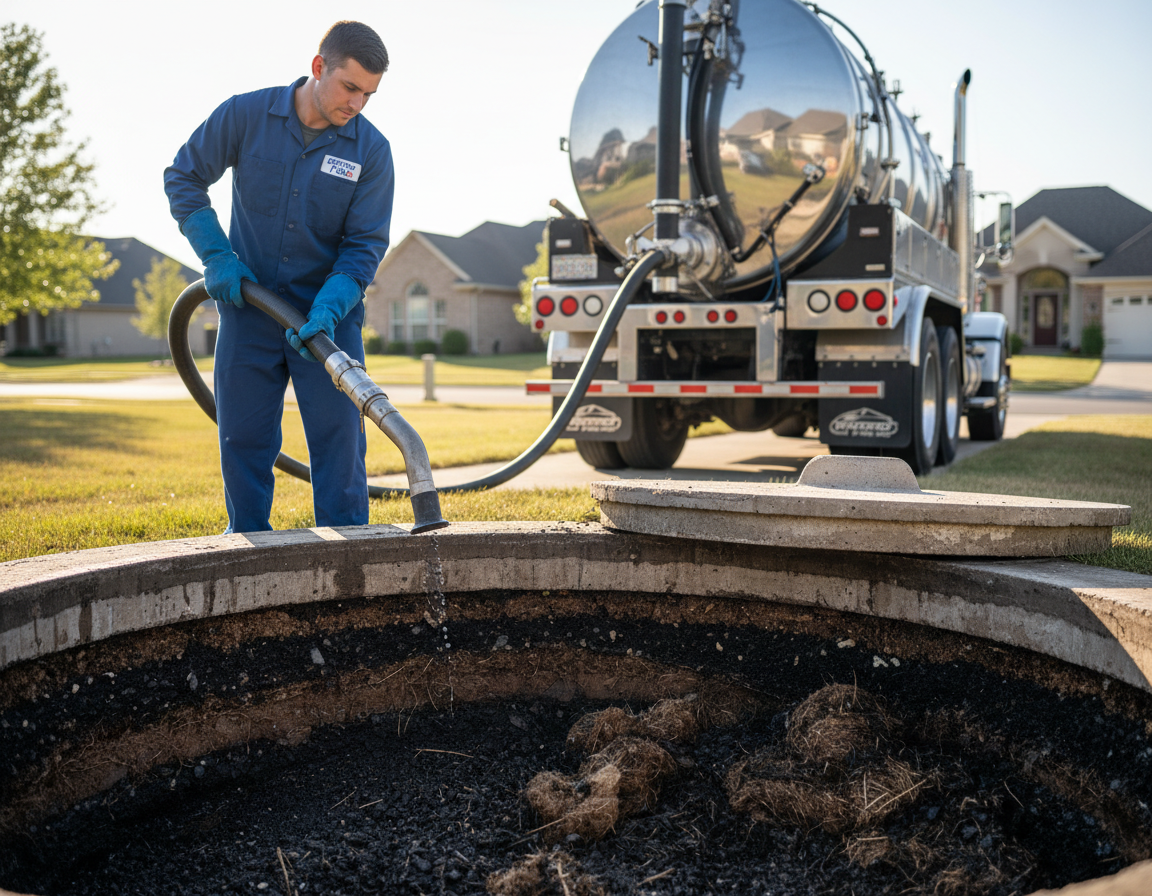
If the lid is underground, you can dig it out to save time. The pros can dig it if necessary. The actual pumping process usually lasts 20-30 minutes per 1,000 gallons.
During the service, professionals check parts including baffles and pipes. They check for cracks or damage as they pump it out. Costs generally range from $300-$600 based on location and size.
Being present during the appointment lets you ask things and get advice. Septic Services of LA gives detailed reports to help track tank condition over time.
Benefits Of Professional Septic Service
Expert care changes routine maintenance from a chore to a benefit in home value. Trying to do wastewater system service yourself risks incomplete waste removal and possible breakage.
Specialized vacuum equipment and proper disposal permits are required for safe, effective service. Trained experts know how to dodge toxic fumes while working.
When selecting a company, verify their licensing, insurance and customer reviews. Transparent pricing and experienced staff show quality service you can trust for your family.
Septic Services of LA shines as the premier provider throughout the Los Angeles area. Their team provides full service from checkups and urgent repairs.
The staff does deep checks every time, identifying potential issues before they become costly emergencies. They keep logs to optimize your pumping plan as years pass.
Extra benefits include locating buried components and providing personalized guidance. Their focus on teaching you guarantees you understand what your tank needs.
With flexible scheduling and fast arrival, Septic Services of LA provides trusted help that saves your asset. Their professional approach guarantees proper handling all the way through.
Managing Your Septic Tank After Service
Your wastewater treatment setup starts a rebuilding period once cleaned. The beneficial microorganisms that digest solids require a while to grow back.
These bacteria usually need a few weeks to get back to full strength. In this time, be extra mindful of your household’s water consumption.
Continue avoiding harsh chemicals and trash in the pipes. Keep up the routine that help extend time between service appointments.
Establish a regular inspection schedule every 1-3 years to monitor accumulation rates. This smart strategy finds problems fast.
Save the paperwork of every service and notes. Septic Services of LA assists clients in keeping these important data for best results.
Watch for warning signs like clogs or unusual odors near the yard. These signs can signal when your unit needs attention.
Yearly looks of the yard and ongoing water saving contribute to lasting durability. Good management in between calls greatly adds to system life.
Conclusion
Managing your septic care starts by knowing how it works. There is no universal schedule that works for everyone. The correct interval depends on occupancy, water use, and the volume of solids entering the system.
The best way is to measure the actual sludge and scum layer levels inside your unit. Watch for warning signs like sluggish pipes or weird smells. This tells you it’s time for professional attention.
Good daily habits protect your investment and can extend the time between cleanings. Trusting experts like Septic Services of LA ensures safe, thorough care and personalized advice.
Want a setup that runs smoothly for years? Reach out to Septic Services of LA now for a professional assessment and maintain your septic in top shape.
Related: Independent Source About Septic Pumping Reviews Alternative System Requirements