
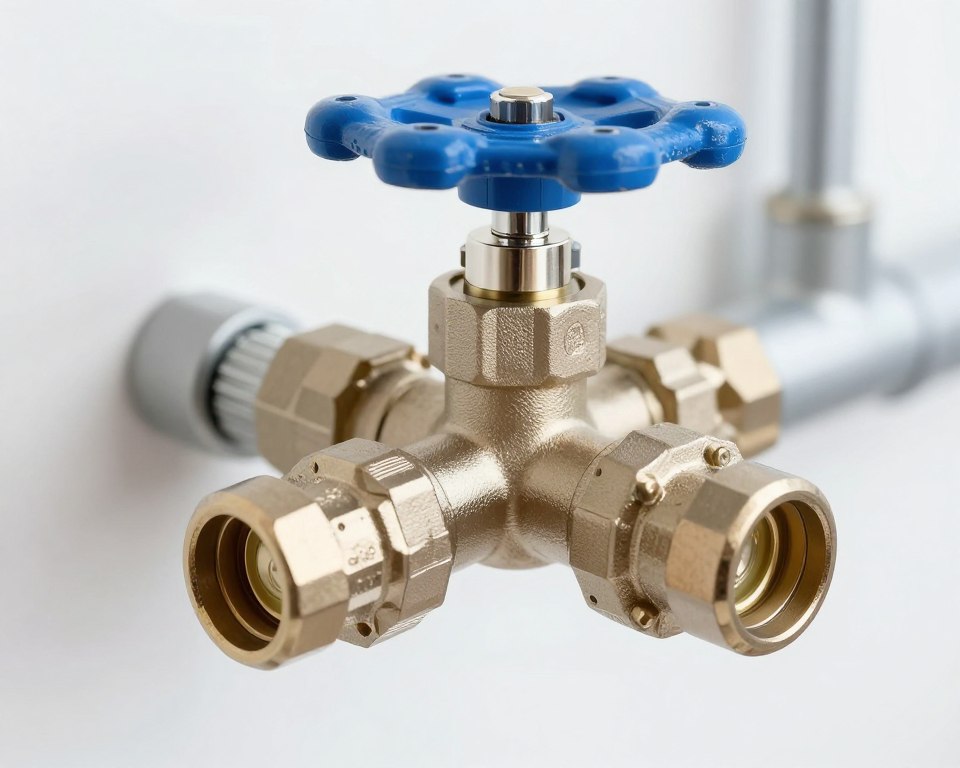
Fact: municipal water mains often run at 150–200 psi, which can split couplers and age plumbing fixtures fast. This short guide shows where a brass, dome-shaped control device fits directly after your primary shutoff to reduce the incoming pressure to around 50 PSI. That helps protect pipes, appliances, and fixtures against drips plus shortened lifespans.
Best Place To Buy Household Water Pressure Regulator
Readers will learn where the device installs on the main water line, what the internal components do, and quick checks to confirm if a replacement is due. It also breaks down costs—from typical component pricing to what pro installation might run.
Installation Parts Supply remains a convenient one-stop shop for the parts, fittings, and tools referenced here, helping homeowners and DIYers can source what they need fast.
After reading, readers will see why dialing back high force keeps a home plumbing system protected and how a relatively small spend helps prevent expensive repairs over time.
What Water Pressure Regulator Valves Do And Why They Matter In Your Home
Your plumbing benefits when one central device holds supply pressure inside a consistent safe window throughout the plumbing system.
That single device drops incoming water pressure into a safer zone so pipes and fixtures aren’t under constant stress. Most residential systems run best around 50 psi, with a practical range of 40–60 PSI.
Protecting Pipes, Fixtures, And Appliances From High Pressure
Reducing excessive pressure prevents persistent drips, pinhole leaks, and even failed supply lines. It also reduces pressure spikes that trigger water hammer noise and rattle.
Typical Home Water Pressure Ranges (40–60 Psi Sweet Spot)
Keeping readings in that band helps ensure faucets run smoothly, toilets to fill properly, and shower flow to remain steady. Appliances such as dishwashers and washers last longer when not exposed to continual high pressure.
- Whole-house protection safeguards the entire plumbing network in one shot.
- By cutting excess strain, you can cut down on dripping fixtures and water loss.
- Installation Parts Supply carries pressure-reducing parts and accessories to make installation quick and reliable.
How A Pressure Regulator Works: Diaphragm, Spring, And Adjustment Screw
Within a standard household regulator, a spring-loaded diaphragm constantly adjusts to maintain steady outlet pressure.
Core Components And How They Act
The heart of the device is a flexible diaphragm and a metal spring that react quickly as supply pressure moves.
As supply pressure increases, the diaphragm tightens to limit flow to the house. If supply pressure falls, the diaphragm relaxes open to permit more flow.
Fine-Tuning With The Adjustment Screw
An adjustment screw on the top alters the spring tension to establish the outlet target. Tightening the screw increases tension and lowers the outlet level.
Backing the screw out reduces tension and lets the home operate at a higher level. Models with clear top access make this simple for homeowners.
- The diaphragm plus spring keep outlet pressure steady via automatic modulation.
- That mechanism smooths spikes and dips so fixtures work consistently.
- Installation Parts Supply offers serviceable regulators with easy adjustment for long-term control.
| Action | Immediate Effect | Homeowner Control |
|---|---|---|
| Diaphragm tightens | Restricts flow, lowers outlet pressure | Automatic |
| Diaphragm opens | Allows more flow, raises outlet pressure | Automatic |
| Adjust screw at top | Sets spring tension and the target outlet | Manual fine-tune |
Where It Installs: Main Water Line Enters The Home
The most protective spot for a control device is immediately after the main shutoff, where the service line enters the house.
Install the unit immediately downstream of the main shutoff valve so your entire plumbing system receives even outlet levels. You’ll usually find space in the basement, garage, or a crawlspace along the foundation. That location safeguards all branches, fixtures, and appliances with a single device.
Placement After The Main Shutoff Valve For Whole-House Protection
The best spot is immediately after the shutoff so one device stabilizes the whole home. Good accessibility makes later service or replacement easy.
- Placing it where the line enters home allows one setting to control all downstream lines consistently.
- If the space is cramped, a licensed plumber can move the main valve or add unions and couplings for a clean connection.
- Right direction and solid pipe support prevents stress caused by weight or accidental knocks.
- Marking the shutoff, unit, and test points makes components easy to identify.
| Location | Benefit | Action |
|---|---|---|
| Just after main shutoff | Protects the whole house | Fit the regulator plus test points |
| Basement / garage | Easy access for service | Mount on foundation wall |
| Cramped layout | May require a valve move | Call licensed plumber |
Installation Parts Supply offers water pressure regulator units, unions and couplings sized for the main water line. Using the right fittings helps ensure a tidy connection and consistent system performance.
Do You Need One? Testing Incoming Water Pressure Today
A basic pressure-gauge check at a hose bib quickly tells you if your system is in a healthy pressure band.
To measure incoming PSI, attach a threaded gauge onto an outdoor spigot or the cold-water laundry faucet. Make sure all taps, sprinklers, and appliances are off so the reading reflects true static psi.
Using A Gauge At A Hose Bib Or Washing Machine Faucet
Read it with all fixtures off. A steady reading between 40 and 60 psi is generally the best range for most homes.
Readings over 80 psi signal excessive stress on your plumbing system and raise the risk of leaks and early failures.
Recognizing Symptoms That Suggest A Problem
Watch for banging pipes, unpredictable flow changes in the shower, and recurring drips at supply lines. These issues often indicate excess pressure or a failing regulator.
When Municipal Levels Spike And How To Retest
Municipal supply often rises at night. Test at different times, especially early morning, to spot surges that you might miss during the day.
If turning the adjustment screw no longer changes the gauge reading, the device likely needs replacement.
- Pick up a basic threaded gauge to measure static psi accurately.
- Check with all fixtures off to get true readings.
- Recheck at night if you suspect municipal pressure surges.
- Get gauges, replacement parts, and reliable units from Installation Parts Supply for fast shipping across the U.S..
Selecting The Right Regulator For Your Plumbing System
Choose a unit that matches household demand and resists corrosion for years of trouble-free service.
Materials That Last
Look for a bronze body and a stainless-steel strainer. These parts fight corrosion and reduce service calls.
A robust body shields the diaphragm and spring so the unit holds steady outlet pressure over time.
Sizing For The Main Line
Match the regulator’s size to the main water line diameter. An undersized regulator can choke flow; an oversized regulator can cost more than necessary.
When To Replace
Most units last 4–12 years. Brands often advise replacement around five years to help avoid failures.
- Select a bronze valve with a stainless strainer for durability.
- Confirm the adjustable outlet range covers a 50 psi target without strain.
- Swap it proactively if outlet drifts or adjustments don’t hold.
- Confirm the adjustment screw and unions are easy to reach for future service.
| Feature | Why it matters | Typical cost |
|---|---|---|
| Bronze body | Resists corrosion | $50–$100 |
| Stainless screen/strainer | Protects internals | Included/extra |
| Right size | Maintains flow at peak demand | Depends on line size |
Installation Parts Supply stocks regulators, unions, and fittings so buyers can order a complete upgrade in one place.
Water Pressure Regulator Valves: Step-By-Step Installation Guide
Quick preparation keeps the work neat and safe. Start by turning off the main water at the main valve and open the closest faucet to drain residual liquid. Put a bucket and a towel below the work area to catch water and protect the floor.
Measure out the regulator with its threaded couplings then mark square cut lines on the line. Cut the pipe, then clean pipe ends and fittings with grit cloth and a wire brush so solder sticks properly.
Couplings And Soldering
Add flux to both surfaces, heat the joint evenly with a torch, and apply solder until it fully wicks into the joint. Allow each joint to cool before you proceed.
Mounting, Tightening, And Leak Checks
Position the unit with the correct flow direction, hand-tighten the unions, then snug them with pliers without over-torquing. Restore supply slowly, bleed off trapped air at a faucet, then inspect every joint for any leaks under normal flow.
Pro Tip: When To Call A Licensed Plumber
If you need to move the main valve or the space is too tight to seat the device correctly, bring in a licensed plumber to reposition the main line and ensure a code-compliant layout.
- Installation Parts Supply carries regulators, threaded couplings, solder, flux, grit cloth, unions, and tools for a complete DIY kit.
| Step | Action | Why it matters |
|---|---|---|
| Prep | Shut off main, drain lines, protect area | Helps prevent spills and hazards |
| Solder joints | Clean, flux, heat evenly, solder | Builds leak-resistant connections |
| Test | Turn on slowly, bleed air, check | Validate system integrity |
Adjusting, Maintenance, And Cost Considerations
Holding a steady outlet setpoint helps preserve fixtures and prevents slow damage.
Dialing In Psi: Loosen Locknut, Turn The Adjustment Screw, Verify
Hook up a gauge to a hose bib and note the current reading. Loosen the locking nut, then turn the adjustment screw on top in small steps.
Turning the screw in increases spring tension and drops the outlet setpoint. Loosening does the reverse.
After every adjustment, open a nearby tap briefly to stabilize the flow, then recheck the reading until it remains stable.
Annual Checks And Signs It’s Time To Replace
Add an annual check to your routine maintenance. Keep an eye out for unexplained swings, persistent banging, or recurring drips around fixtures.
If adjusting the screw no longer changes the reading or the setpoint drifts, replace the unit to avoid hidden strain on the plumbing.
Diy Vs Pro: Costs And Tools To Have On Hand
Typical units cost $50–$100, and bigger line sizes up to about $200. Pro installation runs roughly $250–$450 depending on access and complexity.
- DIY basics: couplings, cutter, grit cloth, flux, solder, plus a torch.
- A pro adds speed, code compliance, and warranty coverage.
- Track dates, readings, and adjustments for faster troubleshooting later.
Where To Buy: Installation Parts Supply
To keep it simple, buy gauges, replacement parts, and full install kits from Installation Parts Supply. Many items ship quickly across the United States, so maintenance and upgrades are simple to schedule.
| Item | Typical Cost | Why it matters |
|---|---|---|
| Bronze residential unit | $50–$100 | Long-lasting body and dependable outlet control |
| Pro installation | $250–$450 | Often includes main valve repositioning and warranty |
| DIY toolkit | $40–$120 | Couplings, cutter, torch, flux to complete the job |
| Gauge | $10–$40 | Check PSI and confirm the setting holds |
Conclusion
A correctly sized bronze unit with a stainless strainer keeps household flow steady and can help prevent costly pipe and fixture damage.
Installed just after the main shutoff, the unit holds outlet levels in the 40–60 psi band so showers, faucets, and appliances run smoothly. The diaphragm and spring act together to dampen spikes from the water supply.
Regular testing and timely maintenance—often a proactive swap around five years—avoids failures and hidden damage. For reliable, in-stock options and fast delivery, wrap up the project with Installation Parts Supply and enjoy quieter, longer-lasting plumbing in the home.
Faq
What Does A Regulator Do And Why Does It Matter In A Home?
What Is The Ideal Psi Range For A Typical House?
How Does The Device Work Internally?
How Is The Adjustment Screw Used To Fine-Tune Outgoing Pressure?
Where Should It Be Installed On The Main Line?
How Can Someone Test Incoming Pressure To Know If They Need One?
What Signs Indicate An Existing Unit Needs Replacement?
How Does Sizing And Material Choice Affect Performance?
Can A Homeowner Install A Regulator As A Diy Project?
How Should The Unit Be Adjusted And Maintained?
What Are Typical Costs And Tools Needed For A Diy Install?
Where Can One Buy Reliable Parts And Fittings?
When Should A Plumber Be Hired Instead Of Doing It Yourself?
Related: House Water Pressure Valve